What Is a Midsize Business Jet?
A midsize business jet sits between the light-jet category and larger long-range or heavy jets. These aircraft are engineered to combine:
- Increased cabin comfort (often stand-up interior),
- Higher cruise speeds and longer range than light jets,
- Reasonable operating economics compared with larger jets,
- Flexibility to fly regional to transcontinental distances.
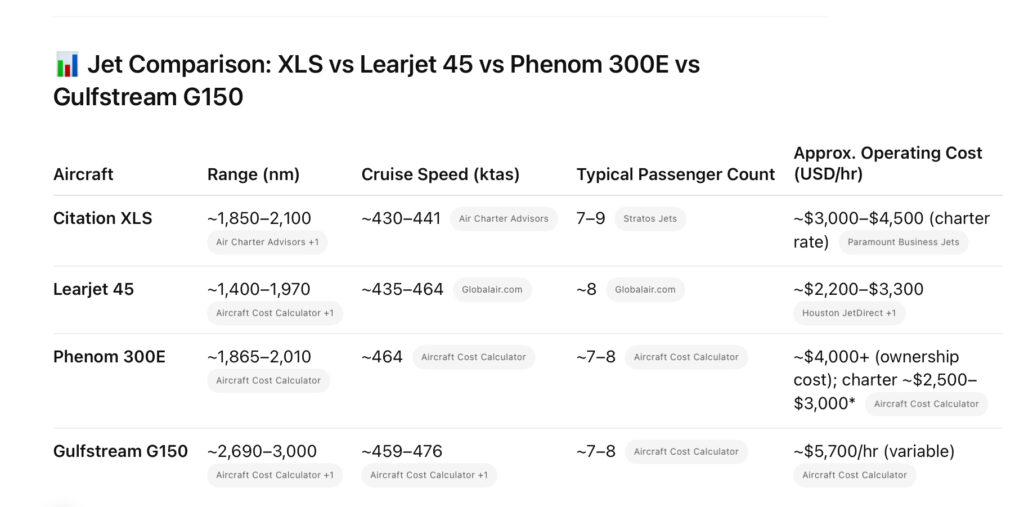
Typical midsize jets carry 6–10 passengers, cruise at speeds near 430–500+ knots, and have ranges roughly 2,000–3,500 nautical miles depending on the model (super-midsize variants can outstretch toward the upper side).
General Pros of Midsize Jets
1. Balanced Performance
Midsize jets hit a sweet spot between light jets and larger aircraft:
- Enough range for intercontinental legs like New York to Miami, London to Athens, or Los Angeles to Chicago without refueling,
- Higher cruise speeds reduce flight times,
- Can access many regional airports that larger jets can’t.
This makes them ideal for both business and personal travel, where range, comfort, and accessibility matter almost equally.
2. Comfortable Cabin
Compared with light jets, most midsize models offer:
- Stand-up headroom and flat floors for easier movement,
- More spacious seating and options for executive club arrangements,
- Lavatories, larger baggage areas, and work/refreshment zones.
This is especially valuable on longer flights where comfort truly affects productivity and rest.
3. Cabin Size Compared to Larger Jets
Though comfortable, midsize cabins are necessarily smaller than those of heavy jets:
- Less space for full-size sleeping berths or large conference areas,
- Smaller galley and lavatory amenities,
- Limited baggage compared with super-heavy cabins.
For missions where maximum luxury and space are essential, larger categories remain superior.
Comparing Popular Midsize Jets
Below are some notable midsize jets—both classic and modern—in terms of performance, comfort, and overall value.
Cessna Citation Series (XLS+, Latitude, Longitude)
Citation XLS / XLS+
- Reliable and value-oriented midsize jet,
- Seats 8–9 passengers with a flat-floor cabin,
- Range around ~1,970–2,100 nm,
- Generally lower acquisition and operating costs relative to peers;
- Great for regional missions.
Pros: Affordable, flexible airport access, popular with charter operators.
Cons: Older design; not as long-ranged as some competitors.
Citation Latitude
- Spacier cabin and modern systems,
- Range ~2,700 nm,
- Smooth ride and strong comfort focus.
Pros: Excellent cabin comfort and modern avionics.
Cons: Price point sits higher than the XLS+.
Citation Longitude
- Near “super midsize” performance,
- Range ~3,400 nm,
- Excellent avionics (Garmin G5000),
- Quiet, comfortable cabin.
Pros: Outstanding range and efficiency.
Cons: Higher purchase and operating costs.
Bombardier Learjet & Challenger
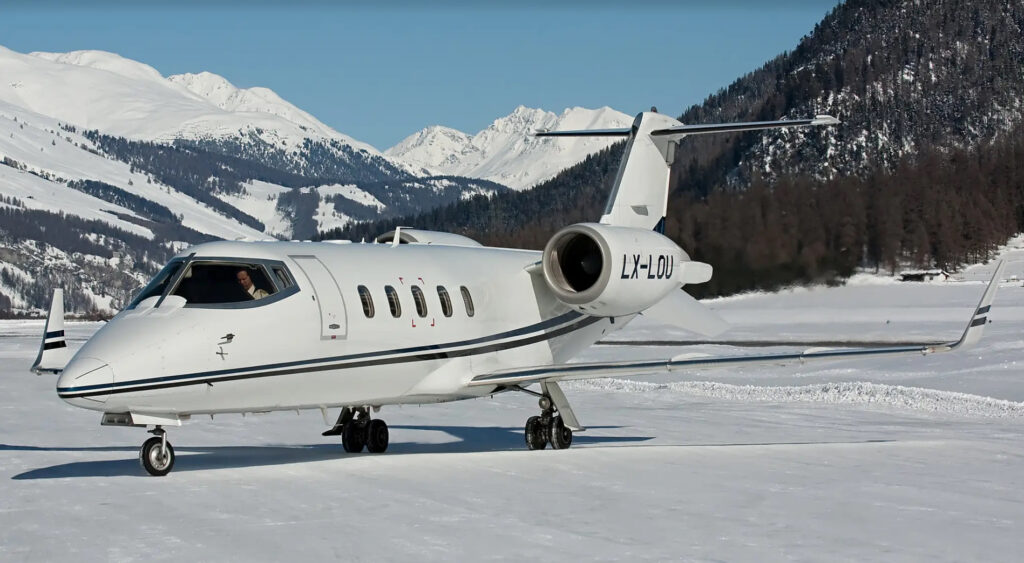
Learjet 60XR / 75
- Characteristic fast cruise speeds (~460+ knots),
- Seats up to 8 passengers,
- Range ~2,400 nm+.
Pros: Very quick and efficient; low drag design.
Cons: Cabin space and comfort are more compact than competitors.
Challenger 300 / 350
Often classified toward super midsize, these offer:
- Long range for category,
- Comfortable, wide cabins with modern connectivity,
- Full galley options.
Pros: Strong range and comfort.
Cons: Higher hourly operating costs than lighter midsize jets.
Embraer Legacy / Praetor Family
The Legacy 450/500 and Praetor 500/600 series represent modern design innovation, including fly-by-wire technology (especially in the Praetor) and efficient engines.
Highlights:
- Stand-up cabin with generous volume,
- Advanced avionics and comfort,
- Range pushing into super-midsize territory (Praetor 600 especially),
- Quieter cabin with thoughtful pressurization and amenities.
Pros: Tech leadership, strong performance, excellent comfort.
Cons: Higher acquisition cost and often requires premium charter pricing.
Dassault & Gulfstream Options
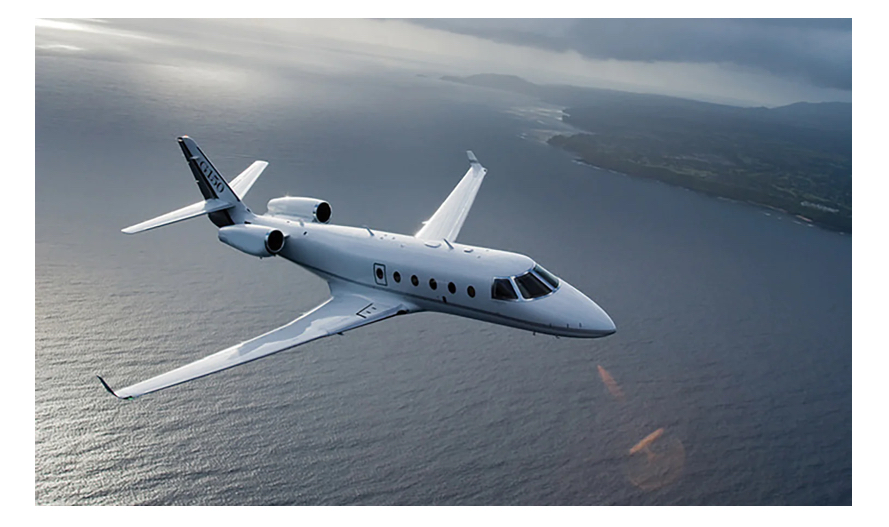
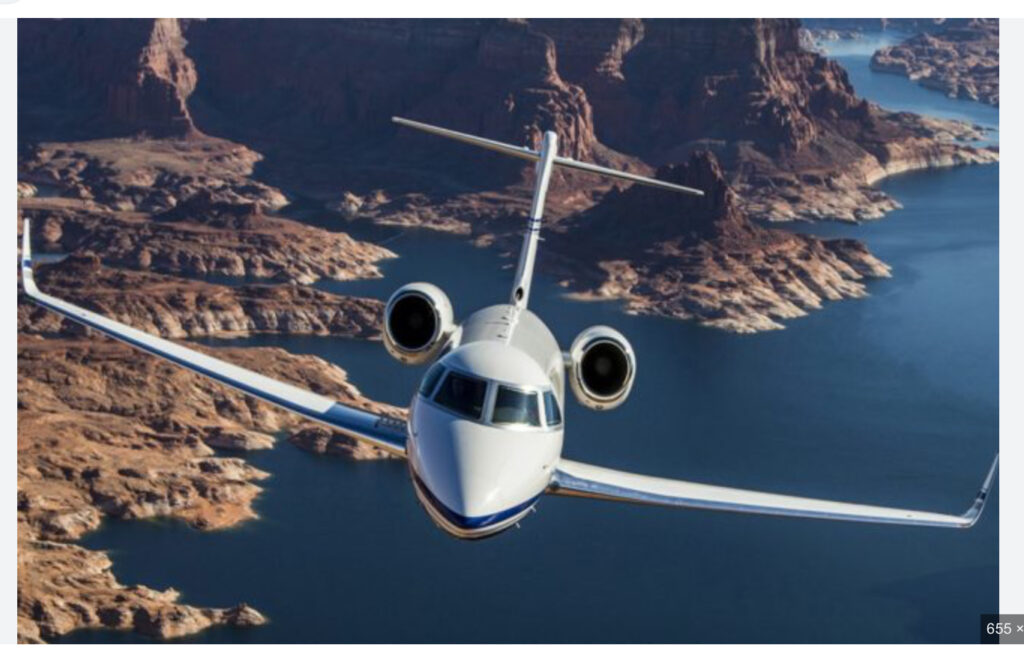
Though often classed near super midsize or long-range, jets like the Dassault Falcon 2000 series and Gulfstream G280 push the midsize concept further into long-reach capability:
- Large cabins,
- Exceptional range (over 3,500 nm+ in some cases),
- High performance and aerodynamics.
Pros: Nearly international range with midsize operating economics.
Cons: Higher sticker price and maintenance realities.
Which Is Right for You? A Quick Use-Case Guide
Best for Regional Trips & Cost-Conscious Buyers
- Citation XLS+, Learjet 60XR
Ideal if your typical flights are within the continental U.S. or Europe and you want good performance with economical operation.
Best Balance of Comfort, Range, and Capability
- Citation Latitude, Embraer Legacy/Praetor 500
Strong choice for business owners or frequent flyers who want comfort and flexibility without jumping to a heavy jet tier.
Best for Longer Transcontinental Routes
- Citation Longitude, Praetor 600, Challenger 350
Excellent for missions that cross coast-to-coast or mid-to-long-range international hops without fuel stops.
Summary
Midsize business jets represent a core category in private aviation—balancing range, comfort, speed, and cost in a package that suits most business and personal travel needs. They outperform light jets in comfort and capability, yet they remain more economical and accessible than heavy long-range aircraft.
Their strengths include versatile mission profiles, enhanced cabin experience, and solid operating economics. Limitations are chiefly related to costs relative to light jets and range limits compared with larger, long-range jets. Ultimately, the best choice depends on your travel patterns, passenger requirements, and budget.