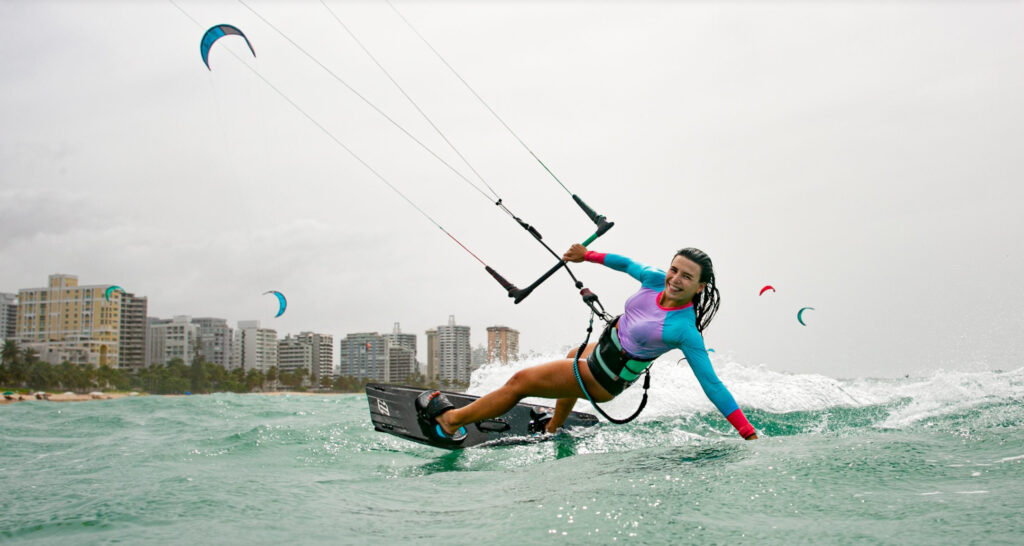
Wakeboarding with the wind.
Kiteboarding, also known as kitesurfing, is a dynamic water sport that combines elements of surfing, wakeboarding, windsurfing, and paragliding. It involves riding across the surface of the water on a small board while being pulled by a large controllable kite powered by the wind. The rider, often called a kiteboarder, stands on the board with their feet secured in straps or bindings and uses a control bar connected to the kite by long lines to steer and manage power.
At its core, kiteboarding is about harnessing wind energy. The kite, which typically ranges from 5 to 17 square meters in size, acts like a wing. As the wind flows across it, it generates lift and pull. The rider controls this force through the bar, adjusting the kite’s angle and position in the sky. By steering the kite in specific patterns—such as diving it down toward the water or sweeping it across the “wind window”—the rider can accelerate, change direction, or even launch into the air.
One of the defining features of kiteboarding is its versatility. Riders can cruise calmly over flat water, carve waves in the ocean, or perform aerial tricks and jumps that send them several meters above the surface. Advanced practitioners execute spins, flips, and complex maneuvers while airborne, combining athleticism with precise kite control. There are also different styles within the sport, such as freestyle (focused on tricks), freeride (casual riding), wave riding (surf-style on ocean waves), and big air (high jumps and long hang time).
The equipment used in kiteboarding is specialized but relatively compact compared to other wind sports. It includes the kite, control bar and lines, a harness worn around the waist or hips to distribute the pulling force, and the board. Safety gear is also essential, including a helmet, impact vest, and a quick-release system that allows the rider to detach from the kite in emergencies. Modern kites are designed with inflatable structures that help them float and relaunch from the water if they fall.
Learning kiteboarding requires understanding both the wind and the equipment. Beginners usually start with lessons on land, practicing how to control a smaller training kite before progressing to the water. Key skills include launching and landing the kite, body dragging (being pulled through the water without a board), and eventually standing up and riding. Because wind conditions can be unpredictable, knowledge of weather patterns, wind direction, and local hazards is crucial for safety.
Kiteboarding can be practiced in a variety of locations, including oceans, lakes, and large rivers, as long as there is sufficient open space and consistent wind. Popular destinations often feature steady winds and shallow waters, which make learning easier and safer.
Overall, kiteboarding is an exhilarating sport that offers a unique sense of freedom and connection with natural forces. It appeals to thrill-seekers and outdoor enthusiasts alike, blending technical skill with the simple joy of gliding across water powered only by the wind.
How is kite boarding correlated to sailing concepts?
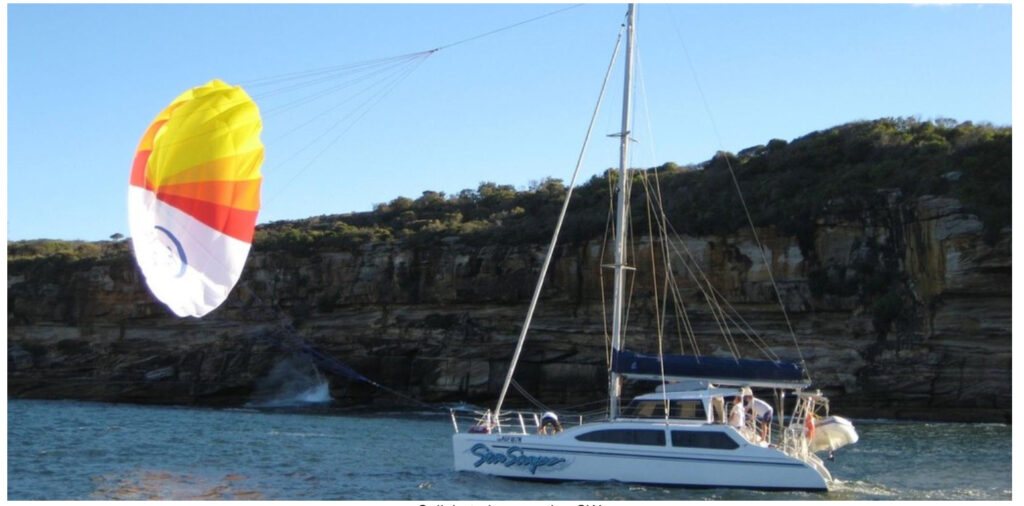
Kiteboarding and sailing are closely related because they both rely on the same core idea: harnessing wind power to move across water. But they do it in slightly different ways. Here’s how they’re similar:
1. Wind as the engine
Both sports use wind as their primary source of propulsion. In sailing, wind fills a sail attached to a boat; in kiteboarding, it fills a kite controlled by the rider. In both cases, you’re converting wind energy into forward motion.
2. Understanding wind direction
You need to read the wind in both sports—its direction, speed, and shifts. Concepts like upwind, downwind, and tacking (zigzagging to go against the wind) apply to both.
3. Use of lift and drag
Both rely on aerodynamic principles. The sail or kite acts like a wing, generating lift as wind flows over it, which pulls you forward. This is similar to how an airplane wing works.
4. Edge control / hull control
In sailing, the boat’s hull and keel help control direction and resist sideways drift. In kiteboarding, the rider uses the board’s edge in the water to achieve the same effect—this is what allows you to go upwind.
5. Skill and technique
Both require coordination and practice:
- Steering (rudder vs. kite control bar)
- Balancing forces (wind vs. water resistance)
- Adjusting angle to the wind for speed and efficiency
6. Environmental awareness
You need to be aware of weather, currents, and water conditions in both. Sudden wind changes can affect performance and safety.
7. Freedom of movement
Both sports give a similar feeling of gliding powered by nature, with no engine—just wind and water.
Key difference (for context):
Sailing uses a boat to carry you, while kiteboarding puts you directly on a board with a kite pulling you, making it more physically dynamic and responsive.
There is no doubt in my mind that this would be a fun and challenging sport I would love to attempt. Being on the water and combining sailing and snowboarding (minus the snow and cold weather) would be an accomplishment of a lifetime.